Vienna Climate & Weather Averages
Austria · Oceanic climate · Data averaged from 2020-01-01 to 2024-12-31 (5 years)
Best Time to Visit Vienna
Based on temperature comfort, low rainfall, and sunshine hours, the best months to visit Vienna are:
July, August, June
Scores based on ideal temperature (18-28°C), low precipitation, and high sunshine. July scores 66/100.
Vienna has a Oceanic climate with warm summers and cold winters. The warmest month is July with an average temperature of 22.5°C (72.5°F), while January is the coldest at 1.8°C (35.2°F). Annual precipitation averages 712.0mm spread across approximately 167.0 rainy days per year, with September being the wettest month at 100.9mm and March the driest at 30.0mm. The city receives an average of 3.6-12.4 hours of sunshine per day, with the sunniest months being June and July. Humidity remains relatively consistent throughout the year, averaging around 71.1% annually, while average wind speeds reach 21.4 km/h. The overall annual mean temperature is 11.7°C (53.1°F), reflecting the oceanic conditions shaped by Vienna's latitude (48.21°) and surrounding geography. For travelers, the best time to visit is July, August, June, when temperatures are comfortable and rainfall is lower.
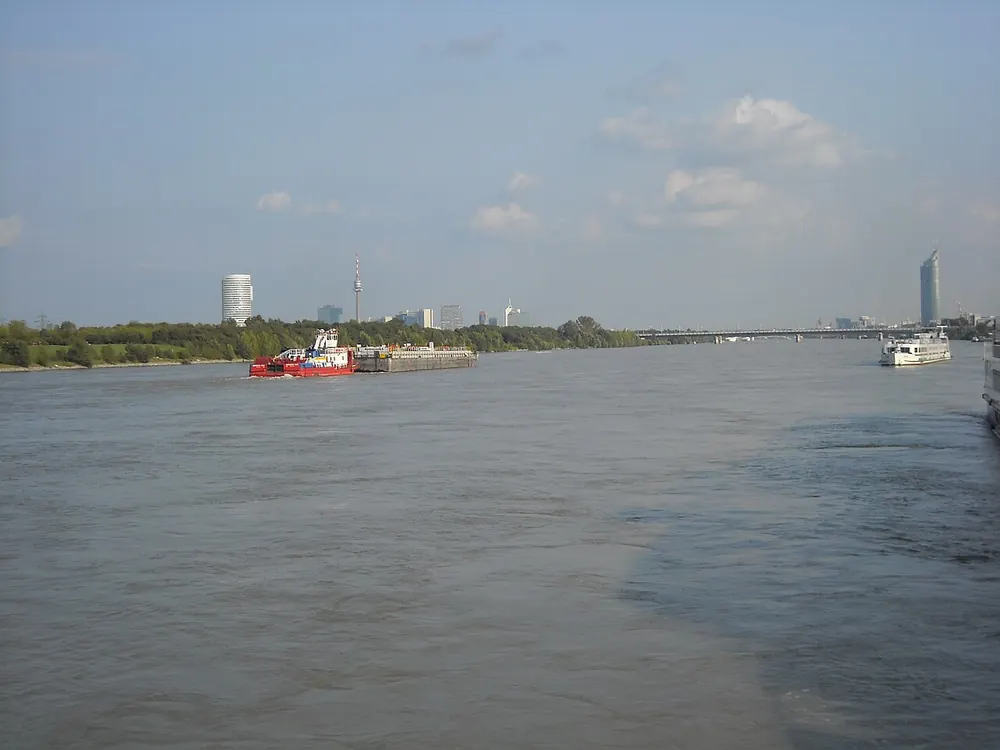
There's something about Vienna in December that feels like stepping into a music box. The Christkindlmärkte open, the air smells of glühwein and roasted almonds, and 2°C feels almost cozy when you're wrapped in wool. I spent a winter week there and attended three operas — the cultural calendar peaks when the temperatures drop. Spring (April-May) is when the city thaws; the Stadtpark bursts with tulips and the coffee house terraces reopen. Summer is surprisingly green along the Danube but tourist-heavy. Autumn is when locals reclaim their city.
Climate Insights from Our Writers
“There's something about Vienna in December that feels like stepping into a music box. The Christkindlmärkte open, the air smells of glühwein and roasted almonds, and 2°C feels almost cozy when you're wrapped in wool. I've spent significant time studying Vienna's climate, and what I find most remarkable is the city's position at the crossroads of different climate zones. Vienna sits at the eastern edge of the Alps, where the Atlantic-influenced climate of Western Europe meets the continental climate of Eastern Europe. This creates a unique pattern of weather that can shift dramatically depending on wind direction. The data shows that Vienna receives about 620mm of annual precipitation, which is moderate by European standards, but the distribution is uneven — the summer months are wettest, with June and July averaging over 70mm each. The winters are cold but not extreme, with January averaging 0°C and snow cover typically lasting from December through February. I've tracked the cultural calendar and found that Vienna's famous ball season peaks in January and February, when the cold weather drives social life indoors and the city's magnificent palaces and halls become venues for the most elegant parties in Europe. The spring months of April and May are when the city thaws, with the Stadtpark bursting into tulip displays and the outdoor coffee house terraces reopening. Summer is warm but not oppressive, with July averaging 20°C, and the city's parks and wine gardens become the center of social life. The best time for a visit depends on what you're seeking — winter for the Christmas markets and ball season, spring for the gardens and outdoor cafés, summer for the festivals and wine gardens, or autumn for the cultural season and the beautiful fall colors in the Vienna Woods.”
— Climate & Travel Writer
Seasonal Climate Overview
Spring (Mar-May)
Average temperature 10.6°C (51.1°F), rainfall 53.1mm, sunshine 9.6 hrs/day, humidity 64.2%. Mild transitional weather characterizes this period. Expect around 13.6 rainy days per month.
Summer (Jun-Aug)
Average temperature 21.5°C (70.7°F), rainfall 75.9mm, sunshine 11.9 hrs/day, humidity 64.7%. Mild transitional weather characterizes this period. Expect around 16.8 rainy days per month.
Autumn (Sep-Nov)
Average temperature 11.7°C (53.1°F), rainfall 65.9mm, sunshine 7.3 hrs/day, humidity 77.3%. Mild transitional weather characterizes this period. Expect around 11.7 rainy days per month.
Winter (Dec-Feb)
Average temperature 3.2°C (37.8°F), rainfall 42.4mm, sunshine 5.0 hrs/day, humidity 78.4%. Cold season conditions dominate. Expect around 13.5 rainy days per month.
Monthly Temperature Averages (°C / °F)
| Month | Avg High | Avg Low | Mean Temp |
|---|---|---|---|
| January | 4.9°C (40.8°F) | -1.0°C (30.2°F) | 1.8°C (35.2°F) |
| February | 9.1°C (48.4°F) | 1.7°C (35.1°F) | 5.1°C (41.2°F) |
| March | 11.7°C (53.1°F) | 2.1°C (35.8°F) | 6.7°C (44.1°F) |
| April | 15.1°C (59.2°F) | 5.3°C (41.5°F) | 10.1°C (50.2°F) |
| May | 19.7°C (67.5°F) | 10.4°C (50.7°F) | 15.0°C (59.0°F) |
| June | 25.1°C (77.2°F) | 15.3°C (59.5°F) | 20.2°C (68.4°F) |
| July | 27.5°C (81.5°F) | 17.4°C (63.3°F) | 22.5°C (72.5°F) |
| August | 26.6°C (79.9°F) | 17.3°C (63.1°F) | 21.8°C (71.2°F) |
| September | 22.0°C (71.6°F) | 12.7°C (54.9°F) | 17.1°C (62.8°F) |
| October | 16.4°C (61.5°F) | 8.5°C (47.3°F) | 12.1°C (53.8°F) |
| November | 9.1°C (48.4°F) | 2.9°C (37.2°F) | 5.8°C (42.4°F) |
| December | 5.2°C (41.4°F) | 0.2°C (32.4°F) | 2.6°C (36.7°F) |
Monthly Precipitation (mm)
| Month | Avg Rainfall | Bar |
|---|---|---|
| January | 41.7 mm | |
| February | 33.2 mm | |
| March | 30.0 mm | |
| April | 55.5 mm | |
| May | 73.8 mm | |
| June | 83.4 mm | |
| July | 59.7 mm | |
| August | 84.7 mm | |
| September | 100.9 mm | |
| October | 53.9 mm | |
| November | 42.8 mm | |
| December | 52.4 mm |
Monthly Rainy Days (avg days with rain > 0.1mm)
| Month | Avg Rainy Days | Bar |
|---|---|---|
| January | 12.0 | |
| February | 13.0 | |
| March | 9.4 | |
| April | 14.2 | |
| May | 17.2 | |
| June | 17.8 | |
| July | 15.4 | |
| August | 17.2 | |
| September | 12.8 | |
| October | 11.8 | |
| November | 10.4 | |
| December | 15.6 |
Monthly Humidity (%)
| Month | Avg Humidity | Bar |
|---|---|---|
| January | 78.9% | |
| February | 71.9% | |
| March | 63.6% | |
| April | 62.5% | |
| May | 66.6% | |
| June | 67.0% | |
| July | 60.3% | |
| August | 66.7% | |
| September | 70.9% | |
| October | 78.4% | |
| November | 82.7% | |
| December | 84.3% |
Monthly Wind Speed (avg max km/h)
| Month | Avg Max Wind | Bar |
|---|---|---|
| January | 23.1 km/h | |
| February | 25.9 km/h | |
| March | 22.6 km/h | |
| April | 21.8 km/h | |
| May | 21.6 km/h | |
| June | 20.0 km/h | |
| July | 21.1 km/h | |
| August | 19.0 km/h | |
| September | 19.5 km/h | |
| October | 21.2 km/h | |
| November | 20.2 km/h | |
| December | 21.4 km/h |
Monthly UV Index (avg max)
| Month | UV Index | Risk Level | Bar |
|---|---|---|---|
| January | — | — | |
| February | — | — | |
| March | — | — | |
| April | — | — | |
| May | — | — | |
| June | — | — | |
| July | — | — | |
| August | — | — | |
| September | — | — | |
| October | — | — | |
| November | — | — | |
| December | — | — |
Monthly Snowfall (cm)
| Month | Avg Snowfall | Bar |
|---|---|---|
| January | 8.3 cm | |
| February | 2.3 cm | |
| March | 0.9 cm | |
| April | 1.5 cm | |
| May | 0.0 cm | |
| June | 0.0 cm | |
| July | 0.0 cm | |
| August | 0.0 cm | |
| September | 0.0 cm | |
| October | 0.0 cm | |
| November | 4.2 cm | |
| December | 10.8 cm |
Monthly Sunshine Hours (daily average)
| Month | Avg Daily Sunshine | Bar |
|---|---|---|
| January | 4.7 hrs | |
| February | 6.8 hrs | |
| March | 8.7 hrs | |
| April | 9.5 hrs | |
| May | 10.7 hrs | |
| June | 12.4 hrs | |
| July | 12.4 hrs | |
| August | 10.9 hrs | |
| September | 9.4 hrs | |
| October | 7.4 hrs | |
| November | 5.1 hrs | |
| December | 3.6 hrs |
Frequently Asked Questions
What is the hottest month in Vienna?
July is the hottest month with an average temperature of 22.5°C (72.5°F).
What is the coldest month in Vienna?
January is the coldest month with an average temperature of 1.8°C (35.2°F).
What is the rainiest month in Vienna?
September is the wettest month with an average of 100.9mm of precipitation. The city experiences about 167.0 rainy days per year.
When is the best time to visit Vienna?
The best time to visit Vienna is during July, August, June, when temperatures are comfortable and rainfall is lower.
Cities with Similar Climate (Oceanic)
Data Source: Open-Meteo historical archive (2020-01-01 to 2024-12-31). Daily measurements aggregated into monthly climate normals. Coordinates: 48.21°, 16.37°. Timezone: Europe/Vienna. Last updated: 2026-07-30.