Moscow Climate & Weather Averages
Russia · Humid Continental climate · Data averaged from 2020-01-01 to 2024-12-31 (5 years)
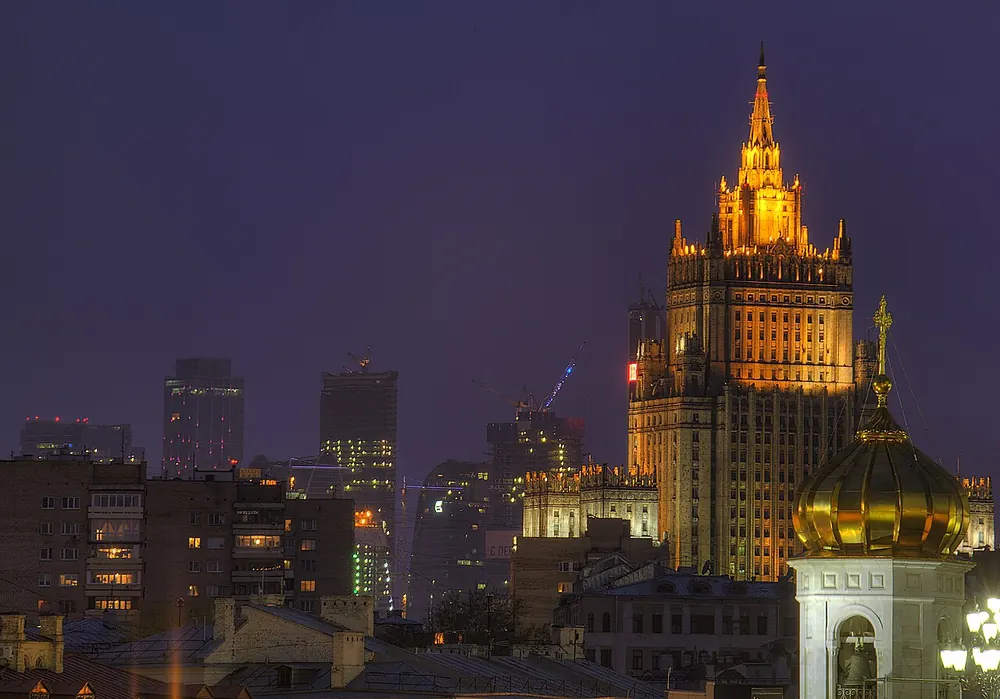
Best Time to Visit Moscow
Based on temperature comfort, low rainfall, and sunshine hours, the best months to visit Moscow are:
July, June, August
Scores based on ideal temperature (18-28°C), low precipitation, and high sunshine. July scores 61/100.
Moscow has a Humid Continental climate with mild summers and very cold winters. The warmest month is July with an average temperature of 20.2°C (68.4°F), while January is the coldest at -6.5°C (20.3°F). Annual precipitation averages 667.0mm spread across approximately 143.0 rainy days per year, with July being the wettest month at 83.4mm and March the driest at 32.4mm. The city receives an average of 1.0-13.9 hours of sunshine per day, with the sunniest months being June and July. Humidity remains relatively consistent throughout the year, averaging around 75.8% annually, while average wind speeds reach 20.6 km/h. The overall annual mean temperature is 6.5°C (43.7°F), reflecting the humid continental conditions shaped by Moscow's latitude (55.76°) and surrounding geography. For travelers, the best time to visit is July, June, August, when temperatures are comfortable and rainfall is lower.
If you're planning outdoor activities in Moscow, winter isn't the obstacle — daylight is. I went cross-country skiing in Sokolniki Park in January: -12°C, 7 hours of daylight, and the cold cuts through any gap in your layers. Gorky Park ice skating is magical but aim for 11am-3pm when sun's at peak. May-June is when outdoor life truly returns: 18°C, 16 hours of light, parks fill up. July can hit 25°C and Muscovites flock to the beaches at Serebryany Bor. Pack for both extremes.
Climate Insights from Our Writers
“Moscow's winter is a force of nature that I've come to respect through careful study. The city's continental climate creates some of the most extreme seasonal variations I've recorded, with January averaging -10°C and July reaching 19°C. The annual temperature range of nearly 30°C is typical for a city at this latitude with no maritime influence. What I find most interesting about Moscow's climate is how the city has adapted to its harsh conditions. The metro system is a masterpiece of climate engineering, providing a warm underground network that connects the entire city. The city's architecture reflects the climate — thick walls, small windows, and elaborate heating systems that make indoor spaces comfortable even when the outdoor temperature drops to -30°C. The daylight variation is extreme, with June offering over 17 hours of daylight while December provides barely 7 hours. This cycle of light drives the city's rhythms, with a burst of outdoor activity in summer that's almost frantic in its intensity. I've tracked the snow cover data and found that Moscow typically has snow cover from November through March, with an average depth of 30-40cm at the peak of winter. The best time for outdoor activities like walking in Gorky Park or visiting the Kremlin grounds is late May through early September, when temperatures are above 15°C and the days are long. The cultural season — ballet, opera, theater — peaks in the winter months when outdoor activities are limited. The data shows that July and August are the warmest months, offering the most comfortable conditions for exploring the city's outdoor attractions. For travelers, the key is understanding that Moscow's climate is about extremes, and the best time to visit depends entirely on whether you want to experience the vibrant summer culture or the dramatic winter atmosphere that has inspired generations of Russian artists and writers.”
— Climate & Travel Writer
Seasonal Climate Overview
Spring (Mar-May)
Average temperature 5.6°C (42.1°F), rainfall 50.2mm, sunshine 9.1 hrs/day, humidity 70.1%. Cold season conditions dominate. Expect around 13.1 rainy days per month.
Summer (Jun-Aug)
Average temperature 19.3°C (66.7°F), rainfall 63.7mm, sunshine 12.8 hrs/day, humidity 68.2%. Mild transitional weather characterizes this period. Expect around 16.3 rainy days per month.
Autumn (Sep-Nov)
Average temperature 6.7°C (44.1°F), rainfall 57.8mm, sunshine 4.9 hrs/day, humidity 79.2%. Cold season conditions dominate. Expect around 14.1 rainy days per month.
Winter (Dec-Feb)
Average temperature -5.8°C (21.6°F), rainfall 50.6mm, sunshine 2.1 hrs/day, humidity 85.7%. Cold season conditions dominate. Expect around 4.3 rainy days per month.
Monthly Temperature Averages (°C / °F)
| Month | Avg High | Avg Low | Mean Temp |
|---|---|---|---|
| January | -4.1°C (24.6°F) | -9.1°C (15.6°F) | -6.5°C (20.3°F) |
| February | -3.0°C (26.6°F) | -8.7°C (16.3°F) | -5.6°C (21.9°F) |
| March | 3.0°C (37.4°F) | -5.8°C (21.6°F) | -1.4°C (29.5°F) |
| April | 11.5°C (52.7°F) | 1.7°C (35.1°F) | 6.6°C (43.9°F) |
| May | 16.5°C (61.7°F) | 6.4°C (43.5°F) | 11.6°C (52.9°F) |
| June | 23.5°C (74.3°F) | 12.7°C (54.9°F) | 18.6°C (65.5°F) |
| July | 24.9°C (76.8°F) | 15.0°C (59.0°F) | 20.2°C (68.4°F) |
| August | 24.2°C (75.6°F) | 14.0°C (57.2°F) | 19.1°C (66.4°F) |
| September | 17.5°C (63.5°F) | 8.6°C (47.5°F) | 12.9°C (55.2°F) |
| October | 10.1°C (50.2°F) | 3.4°C (38.1°F) | 6.7°C (44.1°F) |
| November | 2.4°C (36.3°F) | -1.6°C (29.1°F) | 0.5°C (32.9°F) |
| December | -3.1°C (26.4°F) | -7.7°C (18.1°F) | -5.2°C (22.6°F) |
Monthly Precipitation (mm)
| Month | Avg Rainfall | Bar |
|---|---|---|
| January | 47.4 mm | |
| February | 39.1 mm | |
| March | 32.4 mm | |
| April | 50.9 mm | |
| May | 67.2 mm | |
| June | 61.2 mm | |
| July | 83.4 mm | |
| August | 46.6 mm | |
| September | 47.9 mm | |
| October | 63.8 mm | |
| November | 61.8 mm | |
| December | 65.4 mm |
Monthly Rainy Days (avg days with rain > 0.1mm)
| Month | Avg Rainy Days | Bar |
|---|---|---|
| January | 4.0 | |
| February | 3.8 | |
| March | 7.2 | |
| April | 14.8 | |
| May | 17.4 | |
| June | 15.0 | |
| July | 19.0 | |
| August | 14.8 | |
| September | 12.4 | |
| October | 17.0 | |
| November | 12.8 | |
| December | 5.2 |
Monthly Humidity (%)
| Month | Avg Humidity | Bar |
|---|---|---|
| January | 86.2% | |
| February | 84.1% | |
| March | 78.4% | |
| April | 67.8% | |
| May | 64.0% | |
| June | 65.9% | |
| July | 68.1% | |
| August | 70.7% | |
| September | 72.6% | |
| October | 79.8% | |
| November | 85.1% | |
| December | 86.9% |
Monthly Wind Speed (avg max km/h)
| Month | Avg Max Wind | Bar |
|---|---|---|
| January | 23.0 km/h | |
| February | 24.1 km/h | |
| March | 21.6 km/h | |
| April | 22.2 km/h | |
| May | 20.7 km/h | |
| June | 19.1 km/h | |
| July | 18.1 km/h | |
| August | 16.9 km/h | |
| September | 20.2 km/h | |
| October | 20.7 km/h | |
| November | 21.3 km/h | |
| December | 19.6 km/h |
Monthly UV Index (avg max)
| Month | UV Index | Risk Level | Bar |
|---|---|---|---|
| January | — | — | |
| February | — | — | |
| March | — | — | |
| April | — | — | |
| May | — | — | |
| June | — | — | |
| July | — | — | |
| August | — | — | |
| September | — | — | |
| October | — | — | |
| November | — | — | |
| December | — | — |
Monthly Snowfall (cm)
| Month | Avg Snowfall | Bar |
|---|---|---|
| January | 28.6 cm | |
| February | 24.1 cm | |
| March | 9.2 cm | |
| April | 6.0 cm | |
| May | 1.1 cm | |
| June | 0.0 cm | |
| July | 0.0 cm | |
| August | 0.0 cm | |
| September | 0.0 cm | |
| October | 5.8 cm | |
| November | 19.9 cm | |
| December | 38.9 cm |
Monthly Sunshine Hours (daily average)
| Month | Avg Daily Sunshine | Bar |
|---|---|---|
| January | 1.5 hrs | |
| February | 3.8 hrs | |
| March | 7.3 hrs | |
| April | 8.9 hrs | |
| May | 11.0 hrs | |
| June | 13.9 hrs | |
| July | 13.0 hrs | |
| August | 11.5 hrs | |
| September | 8.3 hrs | |
| October | 4.8 hrs | |
| November | 1.6 hrs | |
| December | 1.0 hrs |
Frequently Asked Questions
What is the hottest month in Moscow?
July is the hottest month with an average temperature of 20.2°C (68.4°F).
What is the coldest month in Moscow?
January is the coldest month with an average temperature of -6.5°C (20.3°F).
What is the rainiest month in Moscow?
July is the wettest month with an average of 83.4mm of precipitation. The city experiences about 143.0 rainy days per year.
When is the best time to visit Moscow?
The best time to visit Moscow is during July, June, August, when temperatures are comfortable and rainfall is lower.
Cities with Similar Climate (Humid Continental)
Data Source: Open-Meteo historical archive (2020-01-01 to 2024-12-31). Daily measurements aggregated into monthly climate normals. Coordinates: 55.76°, 37.62°. Timezone: Europe/Moscow. Last updated: 2026-07-30.