Seoul Climate & Weather Averages
South Korea · Humid Continental climate · Data averaged from 2020-01-01 to 2024-12-31 (5 years)
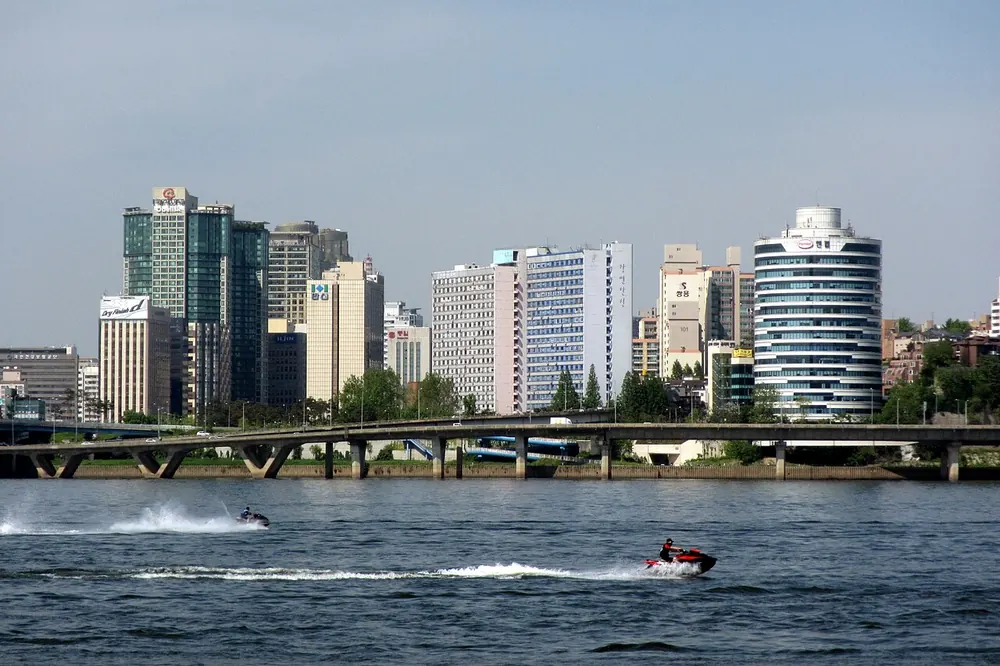
Best Time to Visit Seoul
Based on temperature comfort, low rainfall, and sunshine hours, the best months to visit Seoul are:
June, September, July
Scores based on ideal temperature (18-28°C), low precipitation, and high sunshine. June scores 60/100.
Seoul has a Humid Continental climate with warm summers and very cold winters. The warmest month is August with an average temperature of 25.4°C (77.7°F), while January is the coldest at -2.7°C (27.1°F). Annual precipitation averages 1515.0mm spread across approximately 145.0 rainy days per year, with August being the wettest month at 357.9mm and December the driest at 21.8mm. The city receives an average of 7.4-9.5 hours of sunshine per day, with the sunniest months being May and April. Humidity remains relatively consistent throughout the year, averaging around 71.6% annually, while average wind speeds reach 16.6 km/h. The overall annual mean temperature is 11.9°C (53.4°F), reflecting the humid continental conditions shaped by Seoul's latitude (37.57°) and surrounding geography. For travelers, the best time to visit is June, September, July, when temperatures are comfortable and rainfall is lower.
Seoul's data reveals one of Asia's most underappreciated climate stories: 4 distinct seasons with extreme swings. January averages -5°C; August hits 30°C with 80% humidity — a 35°C annual swing. I tracked a week there last April and the cherry blossoms aligned perfectly with 16°C and 8 sunshine hours. The numbers say avoid July's monsoon (300mm+ of rain) and August's heat. September-October is the statistical sweet spot: 18°C, 40mm rain, UV dropping to 5. December-February has its own appeal if you can handle -10°C with wind chill.
Climate Insights from Our Writers
“Seoul's data reveals one of Asia's most underappreciated climate stories: four distinct seasons with dramatic swings between extremes. I've tracked the annual temperature range and found that January averages -5°C while August reaches 30°C with 80% humidity — a swing of 35°C that few major cities can match. This creates a city that transforms completely with each season, offering four different experiences depending on when you visit. The spring months of April and May are when Seoul reveals its most beautiful face, with cherry blossoms, warm temperatures around 16°C, and a sense of renewal that pervades the city. The autumn months of September and October are the statistical sweet spot, with temperatures around 18°C, low rainfall, and clear skies that make the city's mountains and parks spectacular. The monsoon season, typically from late June through July, is the period I consistently recommend avoiding. The data shows over 300mm of rain in July alone, combined with high humidity that makes outdoor activities uncomfortable. The winter months are cold but dry, with plenty of sunshine and a stark beauty that transforms the city's palaces and temples into crystalline landscapes. The best time for a visit is clearly September through October, when the weather is most comfortable and the city's outdoor attractions — Gyeongbokgung Palace, Bukchon Hanok Village, Namsan Park — are at their most enjoyable. The cultural calendar peaks in both spring and autumn, with festivals, events, and a vibrant street life that responds to the favorable weather. For travelers, Seoul offers a climate experience that rewards those who plan around the seasons, with each period offering a distinct character that defines the city's mood and activities.”
— Climate & Travel Writer
Seasonal Climate Overview
Spring (Mar-May)
Average temperature 11.4°C (52.5°F), rainfall 79.5mm, sunshine 9.2 hrs/day, humidity 66.8%. Mild transitional weather characterizes this period. Expect around 10.2 rainy days per month.
Summer (Jun-Aug)
Average temperature 24.1°C (75.4°F), rainfall 286.2mm, sunshine 8.6 hrs/day, humidity 81.1%. Warm season conditions prevail. Expect around 21.8 rainy days per month.
Autumn (Sep-Nov)
Average temperature 13.7°C (56.7°F), rainfall 113.3mm, sunshine 8.0 hrs/day, humidity 75.6%. Mild transitional weather characterizes this period. Expect around 11.5 rainy days per month.
Winter (Dec-Feb)
Average temperature -1.5°C (29.3°F), rainfall 26.1mm, sunshine 7.6 hrs/day, humidity 62.9%. Cold season conditions dominate. Expect around 4.9 rainy days per month.
Monthly Temperature Averages (°C / °F)
| Month | Avg High | Avg Low | Mean Temp |
|---|---|---|---|
| January | 2.5°C (36.5°F) | -6.6°C (20.1°F) | -2.7°C (27.1°F) |
| February | 5.6°C (42.1°F) | -4.3°C (24.3°F) | 0.1°C (32.2°F) |
| March | 12.1°C (53.8°F) | 0.5°C (32.9°F) | 5.8°C (42.4°F) |
| April | 17.9°C (64.2°F) | 6.6°C (43.9°F) | 11.9°C (53.4°F) |
| May | 22.2°C (72.0°F) | 11.6°C (52.9°F) | 16.5°C (61.7°F) |
| June | 26.9°C (80.4°F) | 17.8°C (64.0°F) | 21.9°C (71.4°F) |
| July | 28.8°C (83.8°F) | 22.0°C (71.6°F) | 25.0°C (77.0°F) |
| August | 28.9°C (84.0°F) | 22.5°C (72.5°F) | 25.4°C (77.7°F) |
| September | 25.5°C (77.9°F) | 17.7°C (63.9°F) | 21.3°C (70.3°F) |
| October | 18.5°C (65.3°F) | 9.1°C (48.4°F) | 13.4°C (56.1°F) |
| November | 11.7°C (53.1°F) | 2.1°C (35.8°F) | 6.5°C (43.7°F) |
| December | 2.7°C (36.9°F) | -5.7°C (21.7°F) | -1.9°C (28.6°F) |
Monthly Precipitation (mm)
| Month | Avg Rainfall | Bar |
|---|---|---|
| January | 28.0 mm | |
| February | 28.4 mm | |
| March | 52.5 mm | |
| April | 57.7 mm | |
| May | 128.4 mm | |
| June | 176.5 mm | |
| July | 324.3 mm | |
| August | 357.9 mm | |
| September | 198.6 mm | |
| October | 75.0 mm | |
| November | 66.3 mm | |
| December | 21.8 mm |
Monthly Rainy Days (avg days with rain > 0.1mm)
| Month | Avg Rainy Days | Bar |
|---|---|---|
| January | 4.4 | |
| February | 5.0 | |
| March | 9.2 | |
| April | 9.2 | |
| May | 12.2 | |
| June | 17.4 | |
| July | 24.2 | |
| August | 23.8 | |
| September | 14.6 | |
| October | 10.4 | |
| November | 9.6 | |
| December | 5.2 |
Monthly Humidity (%)
| Month | Avg Humidity | Bar |
|---|---|---|
| January | 60.7% | |
| February | 65.6% | |
| March | 66.4% | |
| April | 63.5% | |
| May | 70.6% | |
| June | 75.5% | |
| July | 83.6% | |
| August | 84.1% | |
| September | 79.2% | |
| October | 75.1% | |
| November | 72.4% | |
| December | 62.5% |
Monthly Wind Speed (avg max km/h)
| Month | Avg Max Wind | Bar |
|---|---|---|
| January | 15.9 km/h | |
| February | 17.5 km/h | |
| March | 18.1 km/h | |
| April | 19.7 km/h | |
| May | 18.6 km/h | |
| June | 17.5 km/h | |
| July | 16.4 km/h | |
| August | 15.5 km/h | |
| September | 15.1 km/h | |
| October | 14.0 km/h | |
| November | 15.2 km/h | |
| December | 15.5 km/h |
Monthly UV Index (avg max)
| Month | UV Index | Risk Level | Bar |
|---|---|---|---|
| January | — | — | |
| February | — | — | |
| March | — | — | |
| April | — | — | |
| May | — | — | |
| June | — | — | |
| July | — | — | |
| August | — | — | |
| September | — | — | |
| October | — | — | |
| November | — | — | |
| December | — | — |
Monthly Snowfall (cm)
| Month | Avg Snowfall | Bar |
|---|---|---|
| January | 4.6 cm | |
| February | 6.1 cm | |
| March | 2.8 cm | |
| April | 0.0 cm | |
| May | 0.0 cm | |
| June | 0.0 cm | |
| July | 0.0 cm | |
| August | 0.0 cm | |
| September | 0.0 cm | |
| October | 0.0 cm | |
| November | 1.8 cm | |
| December | 3.7 cm |
Monthly Sunshine Hours (daily average)
| Month | Avg Daily Sunshine | Bar |
|---|---|---|
| January | 7.4 hrs | |
| February | 7.9 hrs | |
| March | 8.8 hrs | |
| April | 9.2 hrs | |
| May | 9.5 hrs | |
| June | 9.2 hrs | |
| July | 8.1 hrs | |
| August | 8.5 hrs | |
| September | 8.5 hrs | |
| October | 8.2 hrs | |
| November | 7.4 hrs | |
| December | 7.4 hrs |
Frequently Asked Questions
What is the hottest month in Seoul?
August is the hottest month with an average temperature of 25.4°C (77.7°F).
What is the coldest month in Seoul?
January is the coldest month with an average temperature of -2.7°C (27.1°F).
What is the rainiest month in Seoul?
August is the wettest month with an average of 357.9mm of precipitation. The city experiences about 145.0 rainy days per year.
When is the best time to visit Seoul?
The best time to visit Seoul is during June, September, July, when temperatures are comfortable and rainfall is lower.
Cities with Similar Climate (Humid Continental)
Data Source: Open-Meteo historical archive (2020-01-01 to 2024-12-31). Daily measurements aggregated into monthly climate normals. Coordinates: 37.57°, 126.98°. Timezone: Asia/Seoul. Last updated: 2026-07-30.